

Peripartum depression
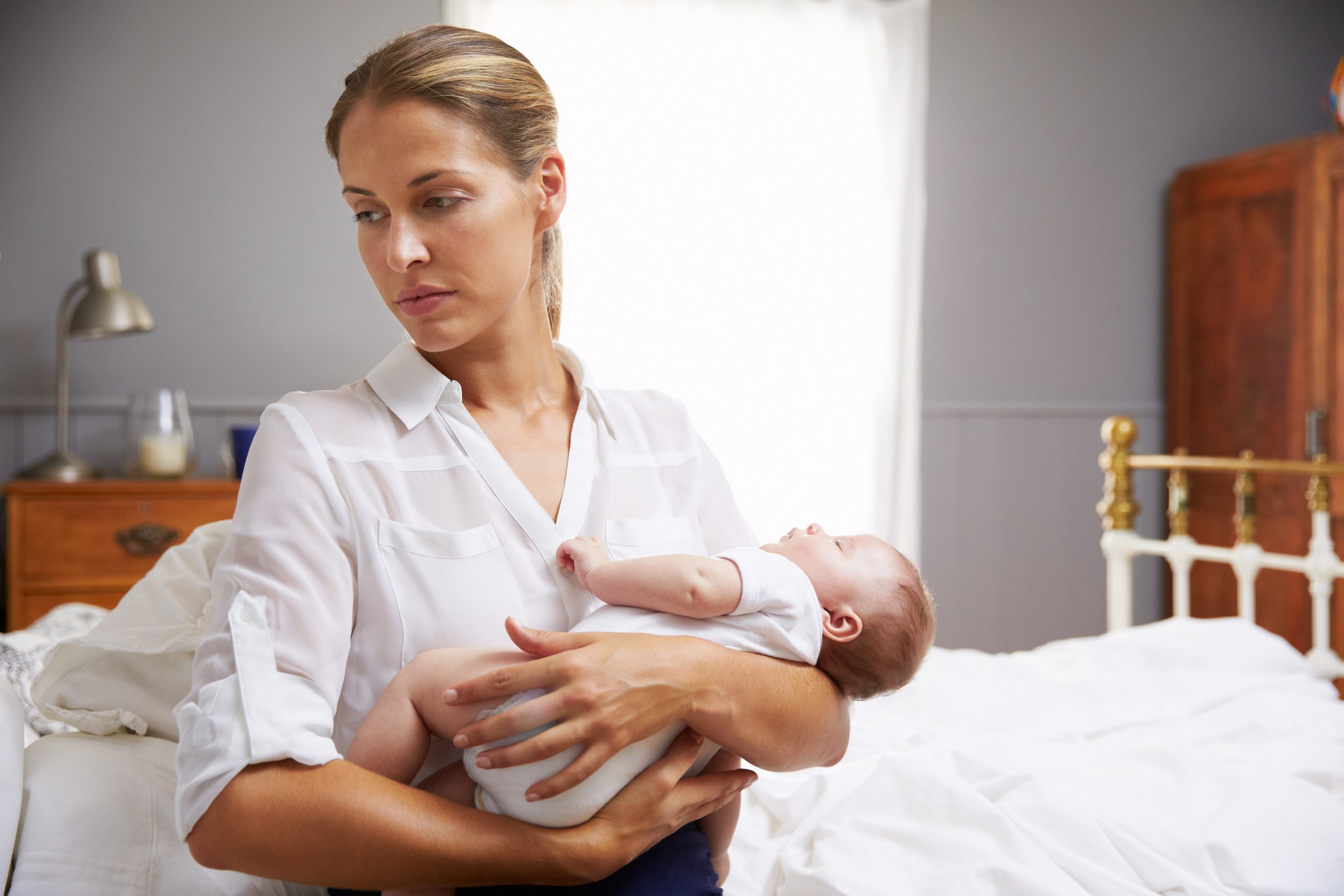
Persistent sadness, a sense of emptiness or exhaustion can be signs of depression. It can develop during pregnancy or in the first two years after birth.
Other topics
Peripartum depression can develop during pregnancy, often referred to as antenatal depression, or after childbirth, known as postpartum depression. It is particularly common in the first few weeks after delivery. Depressive disorders can also develop later, during the first two years after childbirth.
The severity of the condition can vary considerably, ranging from mild depressive symptoms to severe depression, which may also involve suicidal thoughts. Symptoms often develop gradually. Approximately 10–20% of mothers experience peripartum depression.
Common signs and symptoms may include:
- Tiredness, exhaustion and lack of energy
- Sadness and frequent crying
- Feelings of guilt
- Feelings of inner emptiness
- General loss of interest and reduced sexual desire
- Mixed or conflicting feelings towards the baby
- Difficulties with concentration, changes in appetite and sleep disturbances
- Psychosomatic symptoms, such as headaches, dizziness or heart-related symptoms
- Anxiety and irritability
These symptoms can often be difficult to distinguish from the normal physical and emotional challenges of early motherhood.
The EPDS self-assessment can provide initial guidance.
Where can I find help?
Schatten & Licht e.V. offers support and opportunities to connect with others.