

Support and Treatment Options
for Psychological Distress and Mental Health Conditions Around
Childbirth
Self-Help | Self-Help Groups | Support from Family and Friends | Counselling | Professional Support | Outpatient Psychotherapy | Tips for Finding a Therapist | Overview of therapeutic approaches | Psychopharmacological Treatment | Day Patient, Inpatient, and Home-Treatment Services
Pregnancy involves a wide range of physical and psychological adjustments, making uncertainty and
ambivalence completely normal. Likewise, childbirth - especially the birth of a first child—and the
postpartum period are times of significant emotional sensitivity and substantial adaptation. These
normal, predictable mood swings, worries and fears during pregnancy and around birth must be
distinguished from mental health disorders that require professional treatment.
The appropriate path out of a perinatal mental health crisis depends on its severity and course.
Individualised support may include counselling, guidance, and treatment (psychotherapy or
psychopharmacotherapy). In milder cases, counselling, guidance, and self-help may be sufficient. If
depressive or anxious symptoms persist, self-help can be a supportive measure, but evaluation by
professionals (physicians or psychotherapists) is also recommended. In severe perinatal depression,
anxiety or obsessive-compulsive disorders, immediate professional help from medical specialists and
psychotherapists is essential. In cases of suicidal thoughts or psychotic symptoms, hospital admission -
ideally in a mother-and-baby or father-and-baby unit - is indispensable. Home-based, hospital-equivalent treatment
(STÄB) can also be considered.
In all cases, it’s essential to acknowledge and take both parents’ emotional well-being seriously.
Clear, understandable information can provide relief and help families feel supported. The key message
is: these struggles are not a sign of failure - they are a natural and temporary response to the demands
of pregnancy, birth, and caring for a newborn.
Early symptoms of exhaustion after birth can look very similar to a developing mental health crisis.
That’s why parents and professionals alike should be informed about how common these conditions are,
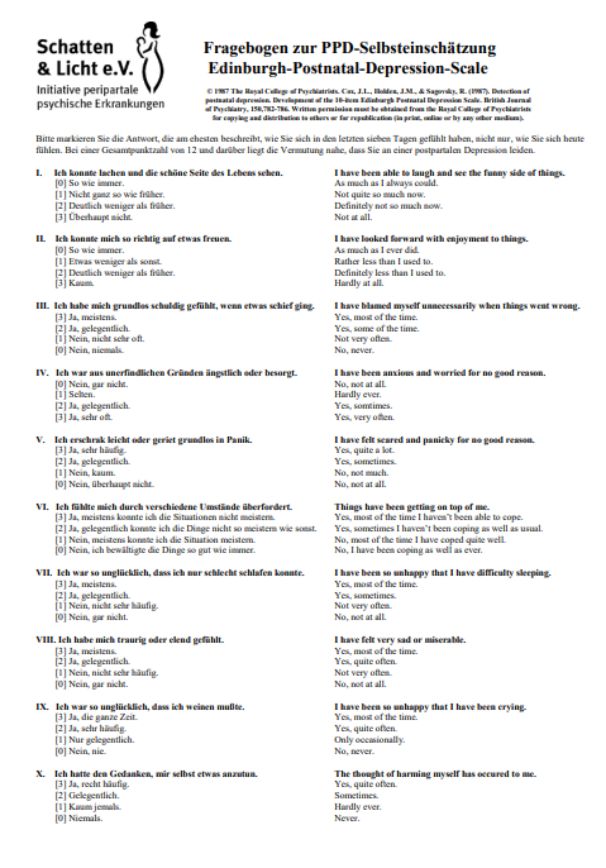
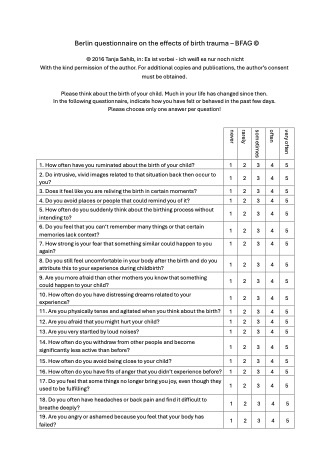
what symptoms to look out for, and what screening tools and support options exist. Tools like the EPDS
(Edinburgh Postnatal Depression Scale), BFAG (Berlin Questionnaire on the Effects of Birth Trauma), and
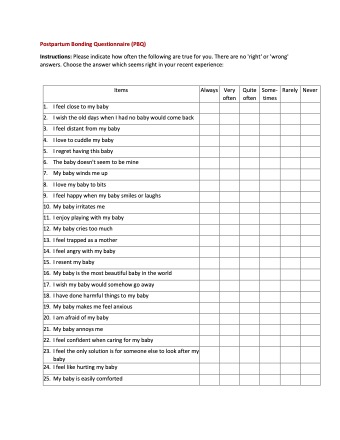
PBQ (Parental Bonding Questionnaire) can help parents get a first understanding of their emotional state
and the bond with their baby.
Completing the following questionnaires can provide an initial orientation for assessing one’s own
emotional state and the parent–infant relationship:
Self-Help
There are many things mothers and fathers can do themselves to ease their situation and find relief.
Seeking supportive conversations with understanding people and speaking openly about negative feelings and
fears can be very helpful. Adequate rest is essential: parents should try to sleep as much as possible in
order to recover - ideally whenever the baby sleeps. A balanced diet, with several small meals spread
throughout the day, is also important.
Physical activity such as walking, swimming, or cycling can help reduce inner tension, agitation, or
emotional numbness. Various forms of relaxation exercises can also be beneficial.
Breastfeeding should be as stress-free as possible. Mothers should be able to experience it as a moment of
closeness and tenderness between mother and baby, without feeling pressured to focus on milk quantity. If a
mother decides to stop breastfeeding, it is particularly important to do so very gradually, as hormonal
changes can be significant, and ideally without medication whenever possible.
Perfectionism and unrealistic expectations should be reduced. Only reasonable and achievable goals should be
set, and at times it may be helpful to focus solely on what is essential - whether this concerns household
tasks, caring for the baby, one’s own body, or other areas of daily life.
Some distance from the baby can also be beneficial. Mothers and fathers should have opportunities to take
breaks and create space for themselves - alone, with their partner, or with friends.
Major life changes such as moving house, renovations, building a home, changing jobs, or separating from a
partner should be avoided in the first months after childbirth. This is not the time for far-reaching
decisions. Both body and mind need time to recover and adjust to the new situation with a newborn.
And most importantly: accept help in any form when it is offered.
Self-Help Groups
Over the past years, self-help groups focusing on postpartum mental health issues have been established (see
the Directory of Self-Help Groups and Counsellors). The great value of these groups lies in the fact that women and
men with similar experiences come together, making open and trusting conversations possible.
Self-help groups provide support through shared experience, solidarity, and mutual understanding. Taking the
initiative to seek support can strengthen self-confidence and self-esteem.
There are numerous regional self-help groups as well as online groups. Some of the online groups focus on
specific topics such as anxiety during pregnancy, intrusive obsessive thoughts, psychosis, traumatic birth
experiences, parents of stillborn babies, or fathers.
In addition, there is an opportunity for one-to-one conversations with other affected women or relatives via
the Directory of Affected Individuals and Relatives, which can be obtained from the association by post only. An online forum is also
available to encourage open exchange of experiences.
Directory of Self-Help Groups
and Counsellors
Download Directory of Self-Help Groups and Counsellors
Support from Family and Friends
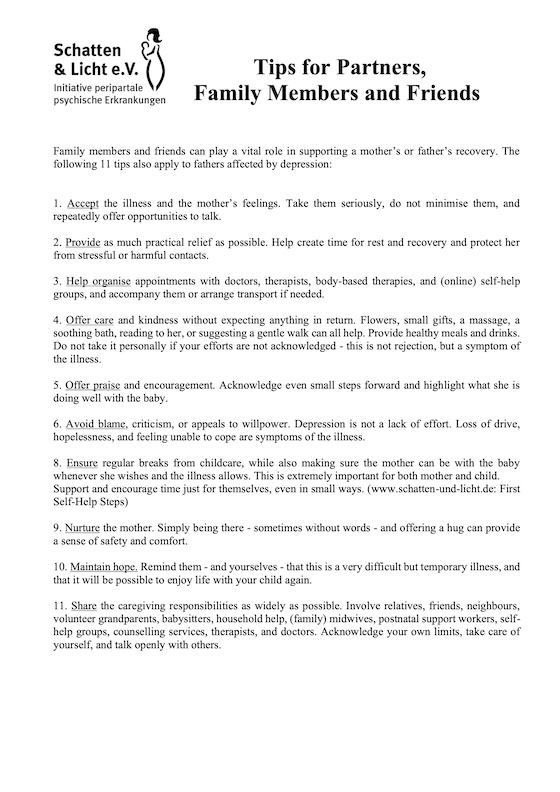
Family members and friends can play a vital role in supporting a mother’s or father’s recovery. The following 11 tips also apply to fathers affected by depression:
- Accept the illness and the mother’s feelings. Take them seriously, do not minimise them, and repeatedly offer opportunities to talk.
- Provide as much practical relief as possible. Help create time for rest and recovery, and protect her from stressful or harmful contacts.
- Help organise appointments with doctors, therapists, body-based therapies, and (online) self-help groups, and accompany them or arrange transport if needed.
- Offer care and kindness without expecting anything in return. Flowers, small gifts, a massage, a soothing bath, reading to her, or suggesting a gentle walk can all help. Provide healthy meals and drinks. Do not take it personally if your efforts are not acknowledged - this is not rejection, but a symptom of the illness.
- Offer praise and encouragement. Acknowledge even small steps forward and highlight what she is doing well with the baby.
- Avoid blame, criticism, or appeals to willpower. Depression is not a lack of effort. Loss of drive, hopelessness, and feeling unable to cope are symptoms of the illness.
- Ensure regular breaks from childcare, while also making sure the mother can be with the baby whenever she wishes and the illness allows. This is extremely important for both mother and child.
- Support and encourage time just for themselves, even in small ways. (www.schatten-und-licht.de: First Self-Help Steps)
- Nurture the mother. Simply being there - sometimes without words - and offering a hug can provide a sense of safety and comfort.
- Maintain hope. Remind them - and yourselves - that this is a very difficult but temporary illness, and that it will be possible to enjoy life with your child again.
- Share the caregiving responsibilities as widely as possible. Involve relatives, friends, neighbours, volunteer grandparents, babysitters, household help, (family) midwives, postnatal support workers, self-help groups, counselling services, therapists, and doctors. Acknowledge your own limits, take care of yourself, and talk openly with others.
Counselling
Free counselling is available from the association’s volunteer counsellors (see the Directory of Self-Help Groups and Counsellors). Most of these counsellors have personal experience with peripartum mental health
conditions and are therefore experts by experience. They receive training and ongoing professional
development from the association, and some have since gone on to professionalise further. Counselling is
offered by telephone or email.
Additional counselling services are available through publicly funded mother, family, and parenting
counselling centres, pregnancy counselling services, Early Childhood Support (Early Help) programmes,
psychosocial counselling provided by various social service organisations, the community mental health
service, as well as counselling by general practitioners and medical specialists. The focus of counselling
may be on support with and applications for practical help in everyday life with a baby and/or on guidance
regarding parental mental health strain and the early parent–infant relationship. Counselling provided by
qualified professionals (such as social workers or psychologists) is usually available within days to a few
weeks.
Many mothers and fathers affected by peripartum mental health conditions can already be helped effectively
and in a very targeted way through outpatient counselling sessions. The remit of most pregnancy counselling
services and Early Help programmes extends until the child reaches the age of three, covering precisely the
period that is most relevant for peripartum mental health conditions.
Whenever the primary focus is on the early relationship and the promotion of secure parent–infant bonding,
professional support is also provided by parenting counselling centres, early intervention services, social
paediatric centres, and child and adolescent psychotherapists in private practice.
Many counselling services are free of charge; others are fully or partially covered by statutory health
insurance for people with statutory health insurance.
Addresses of local counselling services can be found online under the terms listed above and, in some cases,
on our Directory of Professionals
Directory of Self-Help Groups
and Counsellors
Download Directory of Self-Help Groups and Counsellors
Professional Support
If family resources are not sufficient, a range of support and accompaniment services can be accessed. Some of these services are free of charge, while others are fully or partly funded by health insurance
The forms of practical relief available through such support range from self-help–oriented approaches and hands-on assistance in everyday life (for example through Wellcome or a family support worker), to support provided through Early Help services. This may include care and guidance from a family midwife, a family health nurse, or a children’s family health nurse.
Available support services include:
Outpatient psychiatric nursing care
The role of outpatient psychiatric nursing care is to provide care and support to people with mental health
conditions in their own homes. Outpatient psychiatric nursing care (also referred to as psychiatric home
nursing) is a service covered by health insurance and is intended to prevent hospital admission or to
shorten inpatient stays.
The aim is to enable people with mental health conditions to live as independently as possible within their
familiar living environment. To achieve this, visits by specialist psychiatric nurses are provided at
intervals tailored to individual needs, ranging from once a month to several times a day.
Baby support navigators
Qualified professionals based in maternity hospitals who support families by linking them with appropriate regional services and support networks.
Doula
A doula (from the Greek doulē, meaning “a woman who serves”) is a trusted, supportive companion who provides continuous emotional and practical support during pregnancy, childbirth, and the first months after the baby is born.
Family Support Worker
Family support workers provide care and practical support to families and individuals in crisis situations. They help to relieve the family by supporting with household tasks and by caring for the baby and older siblings. Further information is available from Caritas and Diakonie.
Early Help services
Early Help services are municipal support services for (expectant) parents from pregnancy onwards and for families with children up to the age of three. They are designed to be low-threshold and are particularly aimed at families facing challenging or stressful life circumstances. Early Help services focus on strengthening parental relationships and parenting skills. They offer outreach support, guidance and counselling to parents. The overall aim is to promote healthy child development and to ensure that every child can grow up in a safe and non-violent environment.
Postnatal care worker
Postnatal care workers provide emotional support during pregnancy, after childbirth and throughout the early years of a child’s life. They help to relieve families through practical assistance in the household, support with infant care, prepare healthy meals, and provide a range of further forms of support. Further information can be found here.
Wellcome
Wellcome offers practical support after birth for all families who are looking for hands-on, uncomplicated help during their child’s first year of life. Support is available regardless of whether this is the first child or whether there are already older siblings in the family.
Outpatient Psychotherapy
Perinatal mental health conditions are often associated with stressful or adverse life experiences. Current
life circumstances, as well as the personal experience of pregnancy and childbirth, frequently also play a
role in the development of these conditions. Psychotherapeutic treatment can be helpful in processing such
experiences and in developing new, more supportive ways of thinking, feeling and acting.
In Germany, psychotherapy may be provided by psychological psychotherapists (holding a degree in
psychology), medical psychotherapists (medical doctors), as well as by psychotherapists licensed under the
Heilpraktiker system (non-medical practitioners specialising in psychotherapy).
Psychotherapy is a standard benefit of Germany’s statutory health insurance system, provided that the
treatment is delivered by a psychological or medical psychotherapist who is accredited by the statutory
health insurance scheme and who works within one of the four officially approved guideline-based
psychotherapy approaches.
The psychotherapeutic approaches covered by statutory health insurance are:
- Analytical psychotherapy / psychoanalysis (AP)
- Depth psychology–based psychotherapy (TP)
- Cognitive behavioural therapy (CBT)
- Systemic psychotherapy (ST)
To clarify a diagnosis and assess whether psychotherapy is indicated, as well as to determine whether a
trusting therapeutic relationship can be established, patients may attend appointments within the framework
of an initial psychotherapeutic consultation and up to five so-called trial sessions (up to eight in the
case of analytical psychotherapy) with a suitable therapist. Following this, formal approval for therapy
must be requested from the health insurance provider.
Once therapy has started, changing therapists is difficult and only possible for compelling reasons. There
is also an upper limit to the number of therapy sessions that can be approved, which varies depending on the
therapeutic approach.
As waiting lists for psychotherapy are currently very long, it is advisable to carry out a targeted search
using the S&L Directory of Professionals and/or to arrange an appointment via the
appointment service centres of the statutory physicians’ associations in your federal state.
For people covered by statutory health insurance, the costs of psychotherapy provided by Heilpraktiker
practitioners or by psychotherapists who are not accredited within the statutory system are generally not
covered. However, if such therapists are trained in one of the approved guideline-based psychotherapy
approaches, it may be possible to apply to the health insurance provider for reimbursement of costs. A
prerequisite for this is that no appointment with an accredited psychotherapist is available within a
reasonable waiting period.
In addition, psychotherapy is also available on a self-funded basis. Costs typically range from €60 to €120
per session, with session frequency and duration varying depending on the therapeutic approach and the
issues being addressed. Psychotherapists without statutory accreditation are often able to offer
appointments with shorter waiting times. Self-funded therapy can therefore be a helpful interim solution or
an option when guideline-based psychotherapy is not available.
Private health insurance providers usually cover the above-mentioned psychotherapy approaches to a similar
extent as statutory insurance and may also reimburse additional therapeutic methods. Coverage, however,
depends on the individual insurance provider and policy and should be clarified directly with the insurer if
needed.
There is a wide range of psychotherapeutic approaches (→ Brief descriptions of therapy approaches), which
can differ substantially from one another. However, there is no single method that is generally considered
most suitable for perinatal mental health conditions. What helps individuals depends on their underlying
difficulties as well as on their personal needs and preferences. In principle, the most important factor for
successful treatment is a strong and trusting therapeutic relationship between the person seeking help and
the therapist. What matters most is whether individuals feel comfortable, safe and understood in therapy.
Tips for Finding a Therapist
Finding a suitable therapist can take time. The following suggestions may help you organise your search and make use of several options at the same time.
Where to start
Whenever possible, use several routes in parallel. Helpful resources include the S&L directory of mental health professionals, the therapist search provided by your regional Association of Statutory Health Insurance Physicians, your health insurance provider, and psychotherapiesuche.de. The latter offers information about finding a therapist, a searchable database and a free telephone advice service.
Join waiting lists
If possible, ask to be placed on several waiting lists. Appointments sometimes become available sooner than expected. If you no longer need an appointment later on, you can simply cancel it so that it can be offered to someone else.
It can also be helpful to keep a record of which practices you have contacted, when you contacted them and what response you received.
Explore several options at the same time
In Germany, appointments for an initial psychological assessment (psychotherapeutic consultation) can be arranged by calling 116 117 or online at 116117.de. You do not need a referral code for this first consultation.
Following the consultation, your therapist may document on the PTV 11 form that outpatient psychotherapy is required without undue delay. You will then receive a referral code that can be used via 116 117 to arrange urgent short-term treatment or initial assessment sessions.
It is also worth asking about group therapy, which is often less well known than individual therapy and may involve shorter waiting times. In addition, psychotherapy training institutes regularly accept new patients under supervised care.
If you are unable to obtain a timely appointment with a therapist who is accredited by the statutory health insurance system, people with statutory health insurance may, under certain circumstances, be eligible for reimbursement of treatment costs for therapy provided in a private practice. Before starting treatment, discuss the procedure with your health insurance provider and keep a record of unsuccessful attempts to obtain an appointment. Further information is available, for example, at therapie.de.
Finding support while you wait
While you are waiting for therapy, other forms of support may be helpful. These include pregnancy counselling services, psychosocial counselling services, Early Help services (Frühe Hilfen), community mental health services (Sozialpsychiatrischer Dienst), therapy apps and online therapy programmes.
You can also ask your health insurance provider whether they offer or fund suitable online therapy programmes or other digital mental health support. Further information is available in the Links, Apps and Mental Health Professionals sections of this website.
In addition, the peer support groups offered by Schatten & Licht may provide valuable support during this time. More information is available here: Download PDF about the Online Therapy Group.
If you need urgent help
If you are experiencing an acute mental health crisis, having thoughts of suicide, or feel that you may no longer be able to keep yourself or your baby safe, seek help immediately. You can contact your nearest psychiatric hospital or psychiatric emergency service, the medical on-call service by dialling 116 117, or, in an emergency, call 112.
Overview of therapeutic approaches
Acupuncture / Acupressure
A traditional Chinese therapeutic approach aimed at restoring inner balance (yin and yang). This treatment may be provided by non-medical practitioners licensed under the Heilpraktiker system, medical doctors, or - particularly in the postpartum period - by midwives. Acupuncture may help to improve mood and support emotional balance in cases of depressive symptoms.
Analytical Psychotherapy
In the context of perinatal mental health conditions, analytical psychotherapy does not involve a comprehensive analysis of the entire personality or life history. Instead, it focuses on life events that have been reactivated during the perinatal period and are currently experienced as distressing and in need of resolution. Within a containing and supportive therapeutic relationship, difficult memories and the emotions associated with them can be allowed space and become more consciously accessible. This enables a deeper understanding of their significance for becoming a parent and for the developing relationship with the baby and supports their integration. As a result, new ways of thinking, new perspectives and new activities can emerge.
Anthroposophic Medicine
Anthroposophic medicine is an integrative medical system that was developed in the 1920s by Dr. Rudolf Steiner (1861–1925) and Dr. Ita Wegman (1876–1943). It is based on a holistic understanding of the human being, which considers not only the physical body but also life processes, the soul and the spiritual dimension as distinct aspects of human existence. A characteristic feature of anthroposophic medicine is its interprofessional approach, with close collaboration within the therapeutic team.
Aromatherapy
The effects of essential oils have been described since ancient times. Aromatherapy aims to support well-being through the use of natural scents, which may help to activate and stimulate the body’s self-regulatory processes. Only pure essential oils (not synthetic fragrance oils) should be used. Pure essential oils are derived from plants and contain a highly concentrated combination of natural components, sometimes comprising up to 300 individual substances with different properties. Essential oils are thought to act through scent-related stimuli that influence the limbic system. They may also be absorbed through the skin and distributed via the bloodstream, potentially contributing to effects throughout the body.
Autogenic Training
An established relaxation technique in which self-suggestion is used to influence the autonomic nervous system and reduce stress. It is usually learned in a group setting and can then be practised independently.
Ayurveda
Ayurveda is a traditional Indian system of health and medicine. It is based on the concept of three
doshas—Vata, Pitta and Kapha—which are understood to shape a person’s characteristics and constitutional
type. The balance between these doshas is believed to influence an individual’s strengths and
vulnerabilities, both physically and emotionally.
According to Ayurvedic theory, when the balance of the doshas is disrupted, the body sends signals which, if
unrecognised or unaddressed, may develop into illness. Ayurveda seeks to restore balance through a lifestyle
and diet adapted to an individual’s dosha constitution, as well as through the use of medicinal plants,
massage, steam baths and yoga practices (see below)
Bach Flower Therapy
For Edward Bach, illness was understood as the result of a conflict between a person’s higher self and their personality. Within this view, every character trait can be lived either as a strength or as a weakness. Bach flower remedies are intended to help people live their strengths.
Movement Therapy
Movement therapy encompasses a range of approaches that use structured and carefully dosed movement to practise and strengthen specific bodily functions. This includes, for example, occupational therapy, physiotherapy and dance therapy. The therapeutic use of movement has a long tradition and was already an integral part of treatment in ancient Greece.
Bonding analysis
The Hungarian psychologist Jenő Raffai developed the therapeutic concept of mother–child bonding analysis (often shortened to bonding analysis) based on his many years of work with adolescents experiencing psychosis. Mother–child bonding analysis is a form of pregnancy support that offers the expectant mother the opportunity to connect with her unborn child. Through this process, a deep relationship between mother and child can begin to develop even before birth.
Breathing therapy
Breathing therapy aims to help people regain calm and steady breathing in order to improve the body’s oxygen supply, restore natural posture, and reduce inhibiting or constraining emotions. This process can support the release of inner tension.
Craniosacral therapy
Craniosacral therapy is a form of osteopathy. It involves gentle, subtle manual techniques applied to the body’s skeletal system, from the skull (cranium) to the sacrum, with the aim of releasing tension and restrictions. According to this approach, such restrictions may affect the rhythm of the cerebrospinal fluid and can arise, for example, from falls, physical tension or emotionally stressful experiences. By easing these restrictions, craniosacral therapy is intended to support physical and emotional regulation and may also be experienced as supportive in the context of mental health difficulties.
EEH – Emotional First Aid
Emotional First Aid (EEH) is a body-oriented counselling approach that supports the development of a loving parent–child bond during pregnancy, childbirth and the period afterwards. Through guided conversations, supportive touch and awareness-based exercises, Emotional First Aid aims to interrupt cycles of fear, tension and insecurity at an early stage. This can help parents to experience a stronger sense of closeness with the child. As a result, a sensitive and caring dialogue between parent and child can become easier, even in challenging moments.
EFT – Emotional Freedom Techniques
EFT is based on principles derived from acupuncture. Specific meridians are stimulated using a tapping technique. While tapping, individuals repeat phrases that focus on self-acceptance and on acknowledging the distressing feeling. EFT works directly with distressing feelings. The aim is to help release this emotional charge and to open up new possibilities for changes in feelings and, consequently, in behaviour. In addition, EFT is also used as a stabilising approach following traumatic experiences.
EMDR – Eye Movement Desensitization and Reprocessing
EMDR is a form of psychotherapy developed by Francine Shapiro for the treatment of trauma-related conditions. A central element of EMDR therapy is the use of guided eye movements, also referred to as bilateral stimulation. These eye movements are comparable to those that occur during REM sleep—the phase of sleep in which daily experiences are processed. During an EMDR session, individuals revisit the traumatic experience, but from a safe distance and with the support of their therapist. Over the course of the session, the distressing memory gradually loses its intensity, and trauma-related symptoms can diminish.
Developmental psychology
Developmental psychology is the study of how people grow and change over the course of their lives. Many developmental psychologists focus on intellectual, social, emotional and physical development, particularly in infants, children and adolescents. Developmental psychology–based counselling is an approach aimed at supporting parental sensitivity in early childhood. It seeks to foster a positive parent–child relationship and to support the development of a secure emotional attachment in the child.
Occupational therapy
Occupational therapy is a form of therapy that focuses on restoring, improving and maintaining independence and the ability to function in everyday life. It is centred on the individual needs and abilities of the person receiving support. To strengthen motor, cognitive and psychosocial skills, occupational therapy uses targeted exercises and meaningful activities aimed at promoting health and well-being. In this way, individuals can regain independence and improve their quality of life.
ESKP – Parent–Infant–Toddler Psychotherapy
Parent–Infant–Toddler Psychotherapy (ESKP) is a therapeutic approach designed to address early parent–child relationships that are affected by early childhood symptoms and/or parental peripartum mental health difficulties. This form of parent–infant psychotherapy can begin during pregnancy, in the transition to parenthood, and throughout the child’s early years. It aims to support healthy relational development and may help to prevent later difficulties and the emergence of dysfunctional family dynamics.
Family therapy
In family therapy, it is not individual disorders that are seen as the primary cause of illness, but rather disturbed family relationships. Subtle patterns of conflict may emerge as a result. Observing and understanding the dynamics of relationships within the family is therefore essential. Established patterns of communication within the family are questioned, and new forms of communication and relationship patterns are explored.
Talk therapy (person-centred therapy)
Conversations between therapist and client are characterised by openness, empathy, non-judgemental understanding and authenticity. The focus is on the client’s present experiences and feelings, which are accepted and explored in a constructive and supportive way. Through the therapist’s genuine empathy and unconditional, non-judgemental acceptance of the client’s thoughts and feelings, self-respect, self-esteem and self-confidence can grow and strengthen.
Gestalt therapy
The focus is on present-moment experience and current emotions. Within a respectful, authentic therapeutic relationship based on equality, clients develop a more conscious and differentiated awareness of themselves, their needs, their feelings, and their relational patterns. Experiential learning and guided internal dialogues are used to expand their range of action and strengthen their sense of self-efficacy.
Homeopathy
Samuel Hahnemann recognised that in order to heal, one must choose a remedy that can cause symptoms similar to those it is intended to cure. For example, a substance that might induce mild fever-like symptoms in larger amounts would be administered in a highly diluted form with the aim of alleviating fever. In homeopathic practice, a temporary worsening of symptoms at the beginning of treatment - often described as an initial aggravation - is regarded as an indication that the chosen remedy is appropriate.
Hypnobirthing
Hypnobirthing is a method of mental preparation for childbirth that focuses on deep relaxation through self-hypnosis. The aim is to enable a gentle birth experience and to reduce or even completely eliminate labour pains. Hypnobirthing courses teach various breathing, relaxation and visualisation techniques to help eliminate negative feelings and fears associated with childbirth as far as possible.
Hypnotherapy / Hypnopsychotherapy
Hypnotherapy or hypnopsychotherapy refers to forms of therapy that use trance and suggestion to engage in dialogue with the unconscious mind and its capabilities for therapeutic purposes. By placing the client in a hypnotic trance state, they can confront the contents of their subconscious and adopt new ways of thinking. Contrary to popular belief, the client cannot be forced to do anything they do not want to do.
IESKB - Integrative Eltern-Säugling/Kleinkind-Beratung
IESKB – Integrative Parent-Infant/Toddler Counselling IESKB offers diagnostics and counselling with a focus on communication and relationships in everyday interactions between parents and children. The counselling concept developed by Prof. Mechthild Papoušek integrates current knowledge from interdisciplinary infant research with attachment theory, psychodynamic, depth psychology, family systems, body therapy, social paediatrics and newer behavioural therapy concepts and methods.
Interaction therapy
Video-supported mother–infant interaction therapy is an effective approach to identifying and strengthening maternal resources and caregiving capacities. By reviewing selected moments of everyday interaction on video, mothers are supported in recognising their strengths and becoming more attuned to their baby’s signals. Through the baby’s responses, mothers can gradually develop greater confidence in the relationship and experience positive shared emotions, such as joy and connection, in their interactions.
Jin Shin Jyutsu
Jin Shin Jyutsu is an ancient art dating back several thousand years that harmonises the body’s vital energy system. It involves working with the body’s energy pathways through gentle touch. By placing the hands on specific points on the body - often referred to as “energy locks” - practitioners seek to support the flow of energy to particular organs or areas, with the intention of easing blockages and restoring balance. The method is also considered suitable for self-application. Practitioners provide individualised guidance and practical instruction tailored to the person’s specific situation.
Kinesiology
In this context, kinesiology is based on the understanding that unresolved experiences from the past may influence behaviour in the present. Muscle testing is used as a tool to identify periods in a person’s life that are associated with emotional stress or negative experiences. According to this approach, energetic imbalances linked to earlier experiences can be addressed at their point of origin, enabling new responses and alternatives in the present. Once emotional stress has been reduced, the body is seen as better able to stabilise its own energy and support its natural self-regulatory and healing processes.
Body Psychotherapy
Body psychotherapy is a therapeutic approach that can provide access to difficulties that may otherwise be hard to address and may open up pathways to healing when verbal dialogue and reflection alone are not sufficient. This applies particularly – though not exclusively – to psychosomatic symptoms, conditions, and health concerns. Since attitudes, emotions, feelings, and moods are often influenced less by insight and understanding than by consciously experiencing the body as a whole, body psychotherapy can offer a valuable therapeutic pathway. It can help release emotions held in the body and strengthen self-regulation.
Body Therapy
The term body therapy encompasses a range of therapeutic methods. All of these approaches aim to restore physical and emotional balance through working with the body. Certain movements and forms of touch, conscious breathing, and a mindful relationship with one’s own body can support both emotional and physical wellbeing.
Art, Music, and Dance Therapy
Visual art, music, and dance have long been used as healing practices across cultures. These approaches engage body, mind, and emotions simultaneously and can help individuals become more aware of themselves, express inner experiences, develop personal strengths, and gain new understanding. In doing so, they may also support self-confidence and trust in one’s own abilities.
Logotherapy
Logotherapy is a therapeutic approach that supports people in finding personal meaning and purpose in life. It is a form of psychotherapy that focuses on the future and on our capacity to endure hardship and suffering through the search for meaning.
Myoreflex Therapy
Myoreflex therapy, developed by Dr Kurt Mosetter, is a muscle-based (“myo”) treatment approach used in pain therapy and trauma-informed therapeutic work. It combines perspectives from orthopaedics, modern Western medicine, psychology, and traditional Chinese medicine, among others. Protective or compensatory postures, too little or excessive movement, as well as physical and psychological trauma, may disrupt the body’s complex functional balance. Myoreflex therapists aim to restore the body’s natural movement patterns and biomechanical balance. Areas of application for myoreflex therapy include musculoskeletal conditions, functional disorders affecting internal organs, and psychotraumatic stress.
NARM® – NeuroAffective Relational Model
NARM® stands for the NeuroAffective Relational Model. It is a body-oriented psychotherapeutic approach that helps individuals become aware of dysfunctional patterns without making these patterns the sole focus of therapy. Therapists work with both the physiological and psychological dimensions of people who have experienced attachment, relational, or developmental trauma, with a particular focus on supporting the person’s capacity for connection and nervous system regulation.
Naturopathy
The term naturopathy refers to a range of therapeutic approaches that aim to activate the body’s own self-healing capacities and that primarily make use of naturally occurring remedies and stimuli.
NLP – Neuro-Linguistic Programming
NLP is a model of communication and personal development used in a variety of contexts, including therapy, leadership, education, relationships, and coaching. NLP combines approaches that are conversation-based, behavioural, hypnotic, and body-oriented. It aims to influence patterns of thinking, feeling, and behaviour (“neuro”) through the use of language (“linguistic”) and structured methods of change (“programming”).
Osteopathy
Osteopaths use skilled hands-on assessment techniques to identify possible dysfunctions within the body. Treatment is carried out manually through careful observation, touch, guidance, and, where appropriate, supportive techniques or targeted manual interventions. Osteopathic treatment may address functional issues affecting the musculoskeletal system, internal organs, and nervous system.
Physiotherapy
Physiotherapy is used in the treatment of acute and chronic conditions, as well as for prevention and rehabilitation. Physiotherapeutic treatment may help reduce pain, improve mobility, and strengthen weakened muscles. An important aspect of physiotherapy is also supporting people in understanding what they can do themselves to promote their health and wellbeing.
Phytotherapy
Medicinal plants have been used for healing purposes across cultures for centuries and are considered one of the oldest and most widely recognised natural remedies.
Polyvagal Theory
Polyvagal Theory, developed by Stephen Porges, is a collection of evolutionary, neuroscientific, and psychological concepts relating to the role of the vagus nerve in the regulation of emotions, social connection, and responses to stress and fear. The theory emphasises the importance of physiological states in mental health and has informed therapeutic approaches aimed at influencing patterns within the autonomic nervous system. Although aspects of the theory are scientifically debated, some therapists use approaches inspired by Polyvagal Theory, including forms of vagus nerve stimulation and nervous system regulation techniques.
PPIP – Psychoanalytic Parent-Infant Psychotherapy
Psychoanalytic Parent-Infant Psychotherapy (PPIP) is a treatment approach developed within the “Parent-Infant Project” at the Anna Freud Centre in London. It is based on Anna Freud’s psychoanalytic understanding of early relationships and their importance for infant development and developmental difficulties. This therapeutic approach involves the infant or young child as well as both parents and is designed for families with children aged 0–2 years.
Progressive Muscle Relaxation
Progressive Muscle Relaxation, developed by Jacobson, is an easy-to-learn relaxation technique in which specific muscle groups are intentionally tensed and then relaxed. This process can help increase body awareness and overall relaxation skills. It may also be helpful in situations of acute stress and is used therapeutically, among other things, in the management of anxiety.
Psychoanalysis
Psychoanalysis does not necessarily aim to analyse the entire personality, but rather explores selected life experiences in order to better understand the origins of symptom-related conflicts and to support the development of new ways of coping and relating. In this therapeutic approach, therapists generally take a more observant and reflective role, while individuals are encouraged to remember, imagine, and speak freely about their experiences and inner thoughts.
Psychodrama
Psychodrama is most commonly offered as a group therapy approach. Past, present, or imagined situations are acted out, with the main participant either playing their own role or involving other group members in the scene. Through role play, conflicts and difficulties can be explored in a structured and experiential way, allowing different responses and solutions to be tried out. This is usually followed by reflection and feedback within the group.
Qigong
Qigong is a Chinese meditative and therapeutic practice that combines breathing, gentle movement, and focused attention. Breath and movement are used to support bodily awareness, concentration, and the flow of energy within the body.
Reiki
Reiki is a complementary healing practice based on the concept of universal life energy. Practitioners use gentle hand placement or touch with the aim of supporting relaxation, wellbeing, and the body’s natural balance.
Repetitive Transcranial Magnetic Stimulation (rTMS)
Repetitive transcranial magnetic stimulation (rTMS) is a non-invasive treatment in which magnetic pulses are used to stimulate specific areas of the brain involved in the development of depression. It may be considered especially when other treatments have not been sufficiently effective, and can help reduce depressive symptoms. Treatment is provided on an outpatient basis and is generally well tolerated.
ROMPC® – Relationship-Oriented Meridian-Based Psychotherapy and Counselling
ROMPC® is a trauma therapy approach that combines healing relational experiences and cognitive processing of traumatic experiences with work on the limbic system and stress responses. The approach focuses on helping to reduce the impact of triggers that may continue to activate overwhelming stress reactions or panic symptoms following traumatic experiences. By working with both conscious cognitive processes and deeper emotional and physiological responses, ROMPC® aims to support the resolution of emotional distress and its underlying triggers.
SAFE® – Secure Training for Parents
The “SAFE® – Secure Training for Parents” programme was developed to support expectant and new parents in building a secure attachment with their child from pregnancy onwards. The way parents perceive, interpret, and respond to their child’s signals is referred to as “sensitivity” and plays an important role in the quality of attachment. Sensitivity may be influenced by limited knowledge as well as stressful experiences from the past or present, which can affect the parent-child relationship. The main focus of SAFE® is to support parents in responding sensitively to the emotional needs of their children.
Shiatsu
Shiatsu is a body-based therapeutic practice originating from East Asian medicine traditions and based on the concept of meridians. Pressure applied along meridians and acupuncture points is intended to support the flow of energy and promote physical and emotional balance.
SKEPT® – Psychoanalytic Parent-Infant / Early Childhood Psychotherapy
Psychoanalytic Parent-Infant / Early Childhood Psychotherapy is a therapeutic approach often offered in psychoanalytic infant clinics and by child and adolescent psychotherapists in private practice. The approach actively includes the infant or young child, recognising even pre-verbal forms of expression as meaningful communication. The child’s signals are observed, reflected upon, and explored together with the parents. Developing a deeper understanding of both the child’s needs and the parents’ own needs can open up new and more supportive ways of relating to one another. This process may strengthen experiences of self-efficacy for both parents and child, foster greater confidence within the relationship, and support parents in developing a stronger sense of parental competence.
Somatic Experiencing®
Somatic Experiencing® (SE) is a therapeutic approach designed to strengthen awareness of bodily experiences and responses. It is used in work with trauma and stress-related symptoms. SE techniques are based on the understanding that the body has an innate capacity for regulation and recovery. Through Somatic Experiencing®, traumatic experiences may be processed on physical, emotional, and cognitive levels in a gradual and supportive way.
STEEP® – Steps Toward Effective and Enjoyable Parenting
STEEP® is an early intervention and family support programme developed in the United States for expectant parents during pregnancy and for families with young children in the early years of life. The aim of this early support programme is to strengthen the parent-child relationship and support positive interaction between parents and children.
Systemic (Psycho-)Therapy
Also known as systemic family therapy or systems therapy, this therapeutic approach is based on the understanding that mental health difficulties often arise not solely from individual experiences or conflicts, but also within the context of relationship patterns and family dynamics. Observing and understanding relational systems is therefore central to understanding symptoms and developing possible pathways towards change. Familiar communication and relationship patterns are explored, reflected upon, and, where helpful, new ways of communicating and relating are developed and practised.
TCM – Traditional Chinese Medicine
Traditional Chinese Medicine (TCM) is primarily based on the philosophical concept of Yin and Yang. Although Yin and Yang are considered opposing forces, they are understood as interdependent, complementary, and mutually regulating. In TCM, health is viewed as a dynamic balance between Yin and Yang. The aim of TCM is to identify and rebalance states of imbalance. Diagnostic methods such as tongue and pulse diagnosis are used to recognise signs of imbalance and guide treatment approaches. Existing health conditions may be addressed through methods such as acupuncture, phytotherapy, nutritional approaches, massage techniques, and movement practices.
Psychodynamic Psychotherapy
Psychodynamic psychotherapy is based on the same theoretical foundations as psychoanalytic psychotherapy. In this approach, however, the therapist usually takes a more active role in the conversation by asking questions and sharing observations. Within the supportive therapeutic relationship, difficult memories and associated emotions can gradually become more conscious and their relevance to the present experience of becoming a parent and relating to the baby can be better understood and integrated. This process may help individuals develop new perspectives and supportive ways of coping in everyday life.
Transactional Analysis
Transactional Analysis describes personality in terms of three ego states, all of which are considered important for psychological balance and wellbeing: the Child ego state, shaped by childhood experiences and associated with spontaneity and emotional expression; the Adult ego state, which responds to the present situation in a thoughtful, realistic, and empathetic way; and the Parent ego state, influenced by parents, authority figures, and social norms, ideally providing guidance and care in a constructive manner. The aim of therapy is to support a balanced and flexible integration of these different ego states in everyday life.
Trauma Therapy
Trauma therapy refers to therapeutic and psychological support for people who have experienced deeply distressing or traumatic life events. One of the best-known conditions treated within trauma therapy is post-traumatic stress disorder (PTSD). Traumatic experiences can profoundly affect a person’s sense of safety, worldview, and emotional wellbeing, often leading to feelings of helplessness or loss of control. Trauma therapy aims to support individuals in processing these experiences and developing greater stability and resilience.
Behavioural Therapy
Behavioural therapy is based on the understanding that patterns of behaviour are learned and can therefore also be changed through the development and practice of healthier ways of thinking and behaving. In Cognitive Behavioural Therapy (CBT), concrete therapeutic goals are discussed and difficulties are explored on the levels of cognition, behaviour, and symptoms. Together with the individual, a treatment plan is developed that may include strategies for practising new ways of thinking, behaving, and communicating.
Wingwave®
Wingwave® is a coaching approach intended to help reduce performance-related stress and support creativity, mental resilience, and emotional stability. The method aims to regulate individual stress triggers on an emotional level. The approach is based in part on the idea that stressful experiences may affect the interaction between the two hemispheres of the brain. Wingwave® uses techniques inspired by REM sleep processes (“Rapid Eye Movement”), during which emotional experiences are thought to be processed. Through guided stimulation techniques, emotional stress and internal blockages are intended to be reduced.
Yoga
Yoga is an Indian practice of self-awareness and mind-body connection. In Hatha Yoga, a variety of physical postures and breathing exercises are practised slowly and mindfully in order to develop bodily awareness, inner focus, and relaxation, which may help reduce tension and stress. Yoga is ideally learned with guidance from qualified practitioners and can later also be practised independently.
Psychopharmacological Treatment
As a general principle, it should first be considered whether psychotherapeutic support is possible and sufficient, or whether antidepressant or other psychiatric medication may also be helpful. In some situations, medication may be needed to help restore emotional and physical balance more quickly, as psychotherapy often requires time before a significant improvement in psychological distress becomes noticeable. In cases of severe mental health conditions during pregnancy or after childbirth, medication treatment may be essential. Medication should always be prescribed and monitored by appropriately qualified medical specialists, such as psychiatrists or neurologists. Many commonly used medications today are compatible with both pregnancy and breastfeeding. Information about the safety of medications during pregnancy and breastfeeding can be found on the following websites:
Different types of psychiatric medication may be used in the treatment of mental health conditions, depending on the symptoms involved. These include, for example, antidepressants, neuroleptics/antipsychotics, tranquillisers, and hypnotics. Medications from the first two groups are generally not associated with dependency. Antidepressants are used to treat depressive symptoms such as low mood, loss of motivation, or lack of energy. Neuroleptics and antipsychotics may be prescribed for symptoms such as psychosis or delusional thinking. Tranquillisers are used to reduce anxiety and severe agitation, while hypnotics may be used to help with sleep difficulties. In some cases, medications from different groups may be combined. Some people initially experience a temporary worsening of mood or an increase in side effects before improvement begins, which may take around 10–14 days. For this reason, medication should never be reduced or stopped without medical guidance, even if side effects occur or symptoms begin to improve. The duration of treatment varies from person to person, and individuals may respond differently to different medications.
Day Patient, Inpatient, and Home-Treatment Services
In cases of severe depression, intense anxiety, obsessive thoughts, suicidal thoughts, psychosis, or when the home environment is particularly stressful, day patient or inpatient treatment should be made available wherever possible without separating parent and baby, as separation itself can place an additional emotional burden on both. Even when, in cases of very severe illness, the baby is initially unable to stay with the parent, it is important that treatment takes place in a facility where the child can later be included. Unfortunately, mother-and-baby and father-and-baby units are still not sufficiently available in Germany. Waiting times are often long, and many facilities only accept patients from the local area or from the same federal state. In addition, therapeutic approaches, staffing, and accommodation options can vary considerably between facilities. It may therefore be helpful to compare the detailed information provided about the different facilities (under “Mother-and-Baby and Father-and-Baby Units”) or to contact the organisation directly for guidance (under “Contact”). Given the current shortage of specialised services, STÄB (“stationsäquivalente Behandlung” – hospital-equivalent treatment at home) can offer an important alternative treatment option within the home environment. In this form of care, the mother/father and child remain in their familiar daily environment while receiving outreach psychotherapeutic treatment alongside practical day-to-day support in caring for the baby or young child. Telemedical and telepsychotherapeutic services may also be used as part of the treatment.