

Baby Blues
A temporary period of low mood in the first days after birth. Frequent crying, exhaustion and changing emotions can occur. The baby blues are not an illness and usually pass after a few days.
Other topics
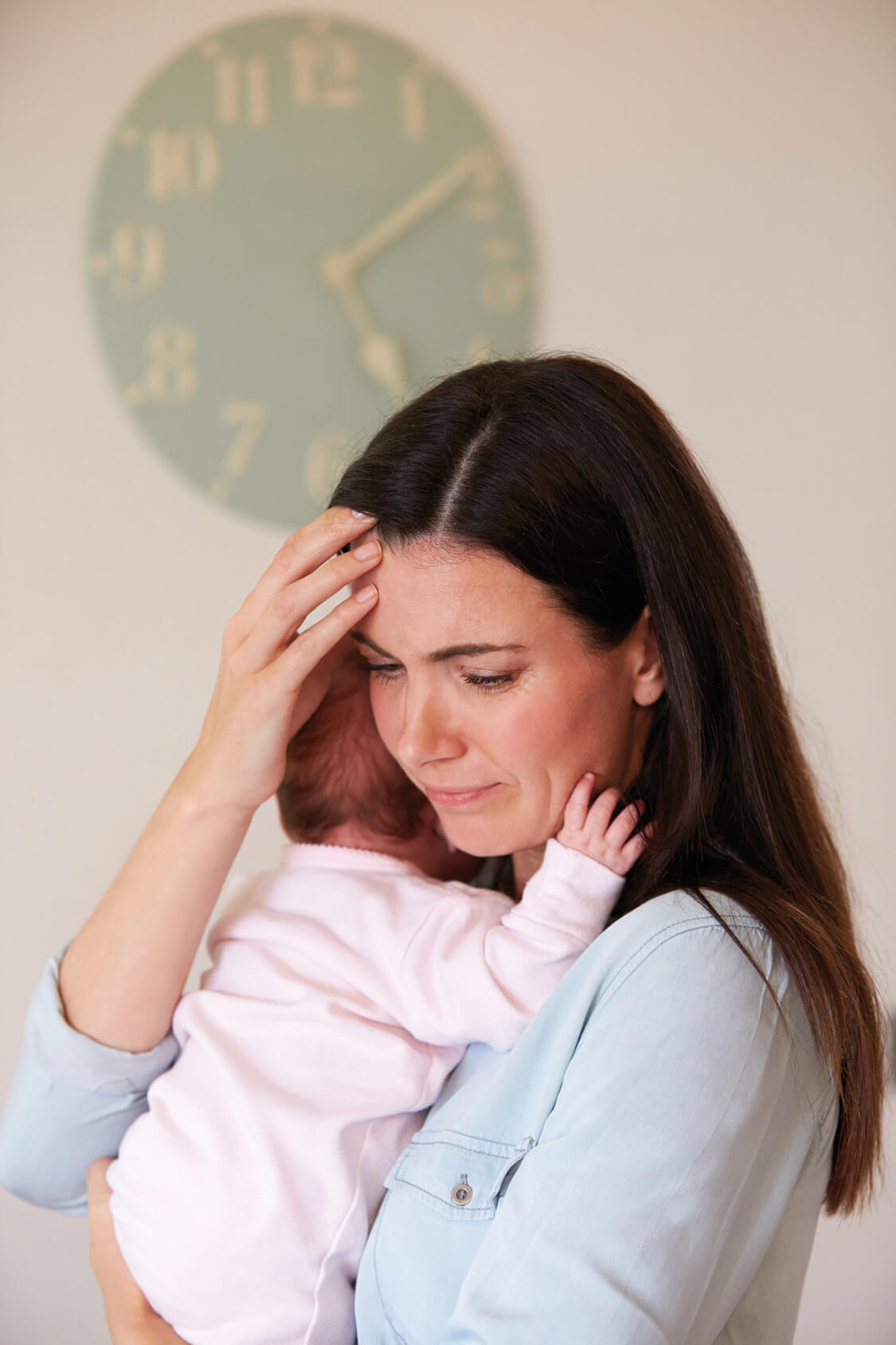
Postpartum blues, also known as the baby blues (a commonly used term in international medical literature), refers to a short-lived period of low mood occurring within the first 14 days after childbirth. It affects approximately 50–80% of mothers. Symptoms usually begin between the third and fifth day after birth and typically last from a few hours up to several days.
Typical signs of postpartum blues include:
- Fatigue, exhaustion, and lack of energy
- Increased sensitivity and mood swings
- Sadness and frequent crying
- Insomnia and restlessness
- Difficulties with concentration, appetite, and sleep
- Anxiety and irritability
As the baby blues are a common and time-limited experience, they are generally considered a non-clinical response to the physical, hormonal, and emotional changes following childbirth and do not require treatment. However, recognising the baby blues as a normal condition should not lead to them being dismissed. If low mood persists for longer than two weeks, this may be an early indication of postpartum depression and should be taken seriously.
Where can I find help?
Schatten & Licht e.V. offers support and opportunities to connect with others.